What do you do when your space feels dated, dull or disconnected? When your home needs a bit more oomph? Most people assume that making a space feel more elevated requires a full blown redesign or a massive budget. In reality, some of the most impactful changes are also the most overlooked (and are actually cost-effective!)
The difference between a space that feels flat and one that feels full and refined, often comes down to subtle details. Those things that aren’t always immediately noticed, but are always felt. These are the elements that quietly signal richness, structure and a higher level of care and consideration that makes a place feel well-designed and not just decorated.
So, if you’re looking to elevate your space without completely starting over, these are three areas I always pay attention to first.
Architectural Details
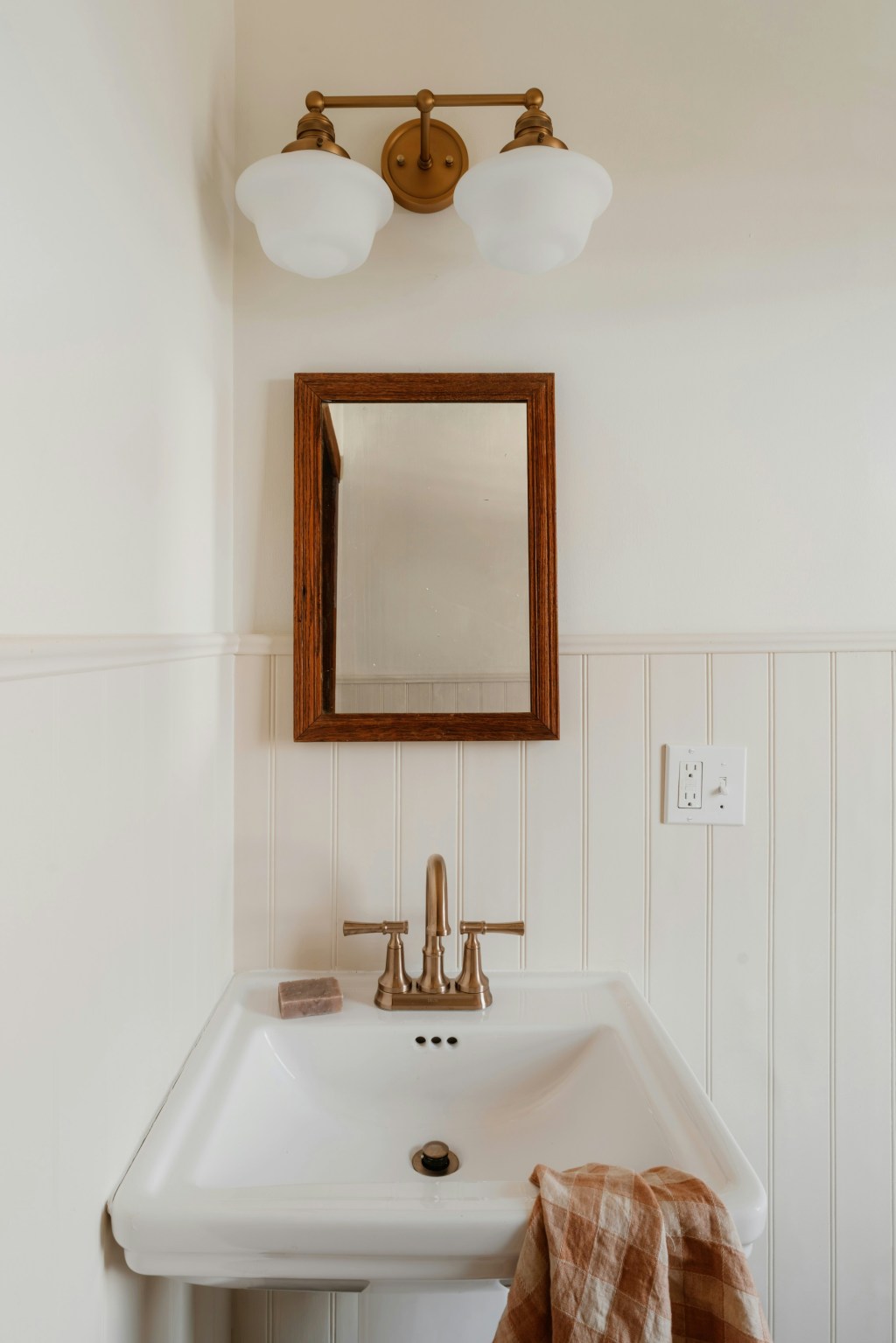
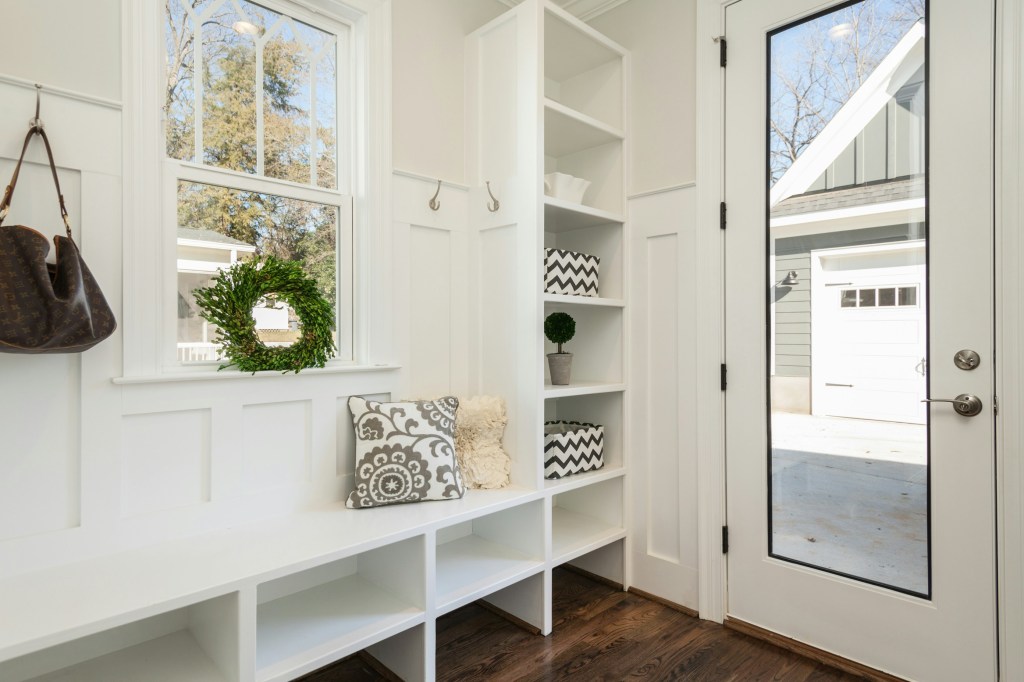
One of the most awesome and yet often neglected ways to elevate a space is through its architectural details. Baseboards, door frames, window trim, and ceiling moldings create structure and impact, even in simple rooms. Without them, a space can feel flat or unfinished, no matter how well it’s decorated.
But adding or upgrading these details doesn’t have to be excessive or overly ornate. A clean, well-proportioned trim or subtle molding can completely change how a room is perceived. It gives the space a sense of permanence, which is something that’s often missing in those more basic interiors.
Woodwork, in particular, is one of the more cost-effective ways to build more structure and elegance to the room. Paired with a fresh coat of paint in a richer tone, it can instantly shift the atmosphere of a room. Deeper neutrals or muted, saturated colors tend to create a quieter sense of luxury compared to lighter, more generic palettes.
Hardware & Finishes
It’s amazing how simply upgrading your hardware can turn around your space! Hardware is one of those details that people almost never think about, but it’s something I notice quickly in a design or when I’m assessing a space before the design process begins.
Cabinet handles, drawer pulls, faucets and even door hardware all contribute to the overall feel of a space. These elements are so frequently overlooked and can feel overly generic. This can subtly bring the entire room down. On the other hand, when they’re well-chosen, they add a level of polish that makes everything feel so much more cohesive.
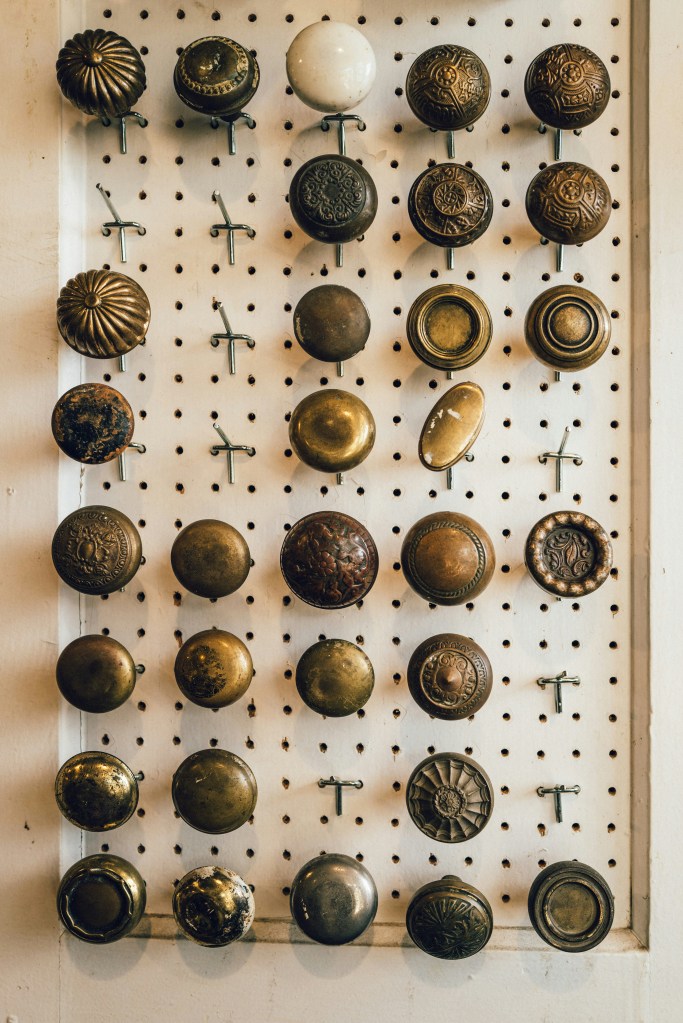
I absolutely love finishes like bronze, brass, or brushed nickel. Those tones that feel grounded and timeless. But high-shine chrome or overly bright gold can often read as harsh or trend-driven if not used carefully. It’s less about the specific finish and more about how it integrates with the rest of the space. Not to mention, that some of those brighter finishes are extremely dated (and they aged like milk). So, if you’re trying to avoid this, it’s best to choose another option.
Remember that even small upgrades in hardware can have an outsized impact. It’s one of the simplest ways to make a space feel sharper without changing anything too major.
Surface Treatments & Lighting
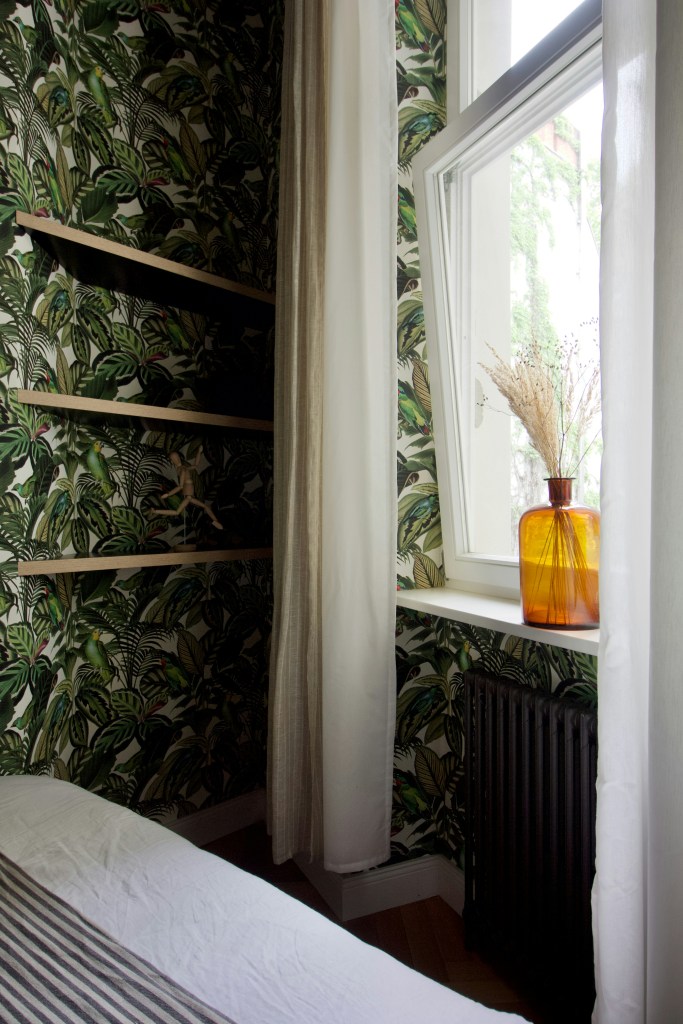
Surfaces are another opportunity to add dimension, especially when they’re given more attention. Wallpaper, for example, can be incredibly effective, but it works best when it’s used mindfully.
Instead of covering an entire room, applying wallpaper to a feature wall, the back of built-ins or even the ceiling can create interest without overwhelming the space. Scale matters here. Prints that are too large or too busy can feel overpowering, while more refined patterns tend to integrate more seamlessly.
And lighting is where everything comes together. A strong lighting plan can completely transform how a space is experienced. Relying solely on overhead lighting frequently makes a room feel stiff and uninviting. Layered lighting and incorporating ambient, task, and accent sources adds visual dimension and warmth.
The goal is to create an environment that feels intentional at every level. When surfaces and lighting are handled well, even the “Plain Jane” spaces begin to feel more elevated.
Conclusion
Refining your space isn’t always about doing more, it’s about noticing more.
Learn how to speak the language of your spaces. The details most people overlook are those architectural elements, hardware, and lighting. But they are often what define how a space feels. When these are approached with care and understanding, even the simplest rooms begin to feel more refined, more complete and more aligned. Knowing this, you’ll be able to breathe life back into your space.
And remember, interior design isn’t just about what’s visible at first glance. It’s about how everything works together harmoniously beneath the surface. And once you start paying attention to those details, creating beautiful, livable spaces becomes far more intuitive and it makes designing them so much more enjoyable.




 Rika Rè Interiors | Rè-Style Blog
Leave a comment