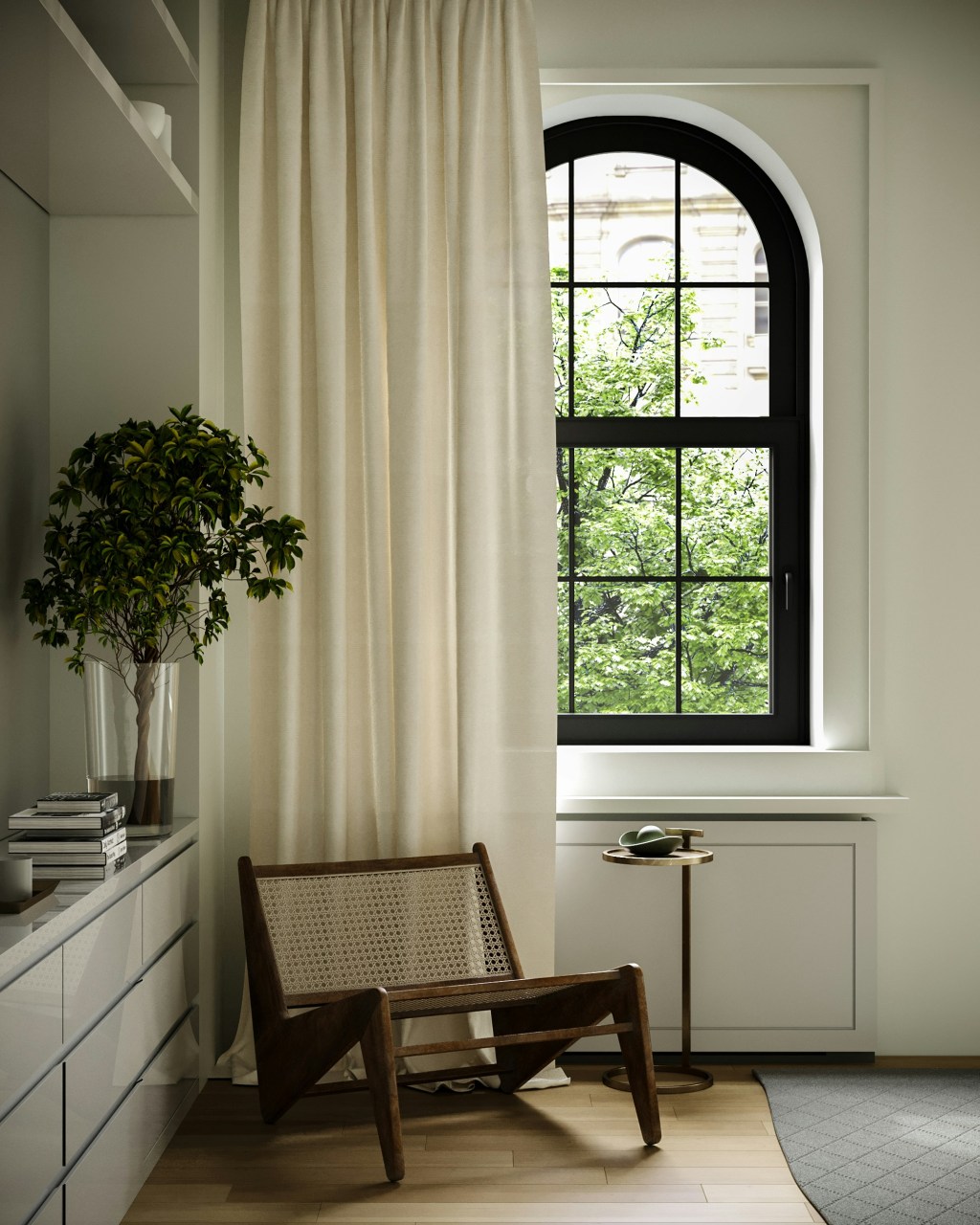
One thing I’ve always noticed, even before becoming an interior designer, is how a room feels and what it communicates to me without saying a word. I’ve always been highly aware of how an environment impacts mood and it is something that strong design should do effortlessly while still serving a space’s function. Details rarely escape me and neither do obvious missteps!
Over time, I’ve come to realize that experience alone, doesn’t always translate to strong discernment in a designer. Design is as much about restraint and decision-making as it is about knowledge and that difference is often what defines the outcome of a space.
So how can you tell when a space is falling short? These are five of the most common mistakes I notice right away.
Visual Noise
One of the quickest ways a space starts to feel cheap is when there’s no clear sense of editing or intention behind how it’s used. Visual weight? Ignored. Balance? Completely off! Every surface is filled, every wall has something on it and nothing has room to stand on its own. When everything competes for attention, the result isn’t expression or personality. It’s visual noise. It feels chaotic, not designed. Well-designed spaces aren’t about having more, they’re about knowing what to leave out.
I believe it’s important to allow a client’s personal taste to come through in a space. However, there’s a common misconception that more décor equals more personality, and in reality, that’s often not the case. When a room is overfilled, nothing stands out. Pieces lose their impact because they aren’t given the space to exist on their own. Even beautiful objects can feel diminished when surrounded by too many competing elements. The eye doesn’t know where to land, and the result is the dreaded… visual fatigue.
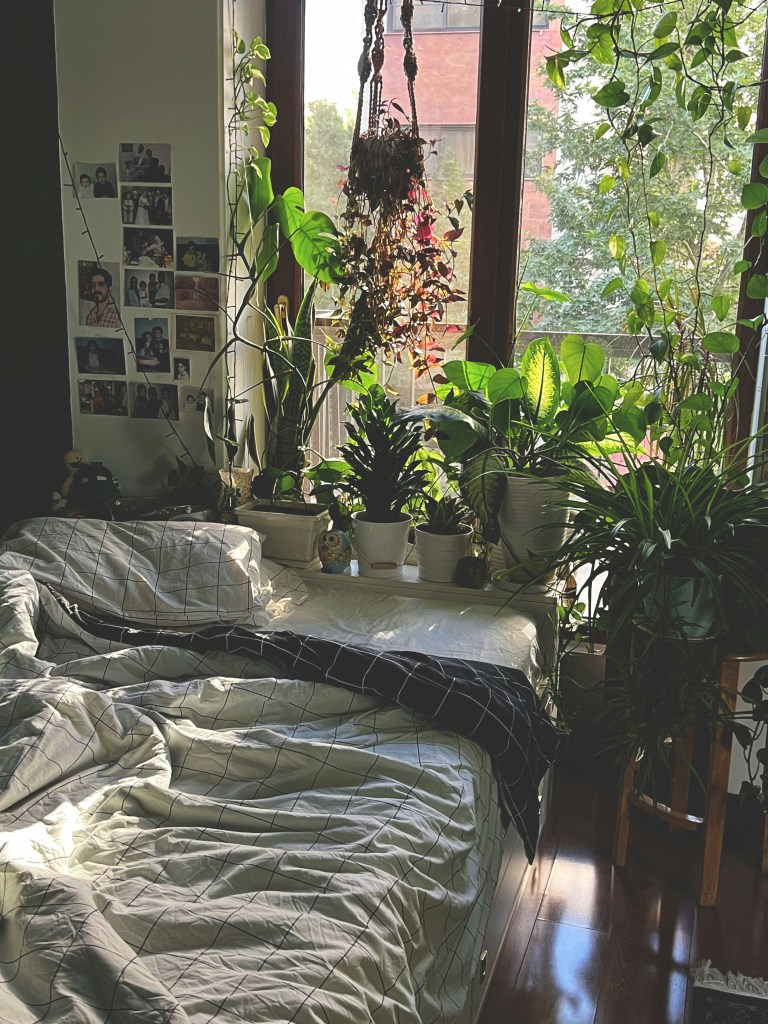
This is often why “core” or trend-driven designs can feel excessive or overwhelming. Without restraint or clear intention, they can come across as unfocused rather than expressive.
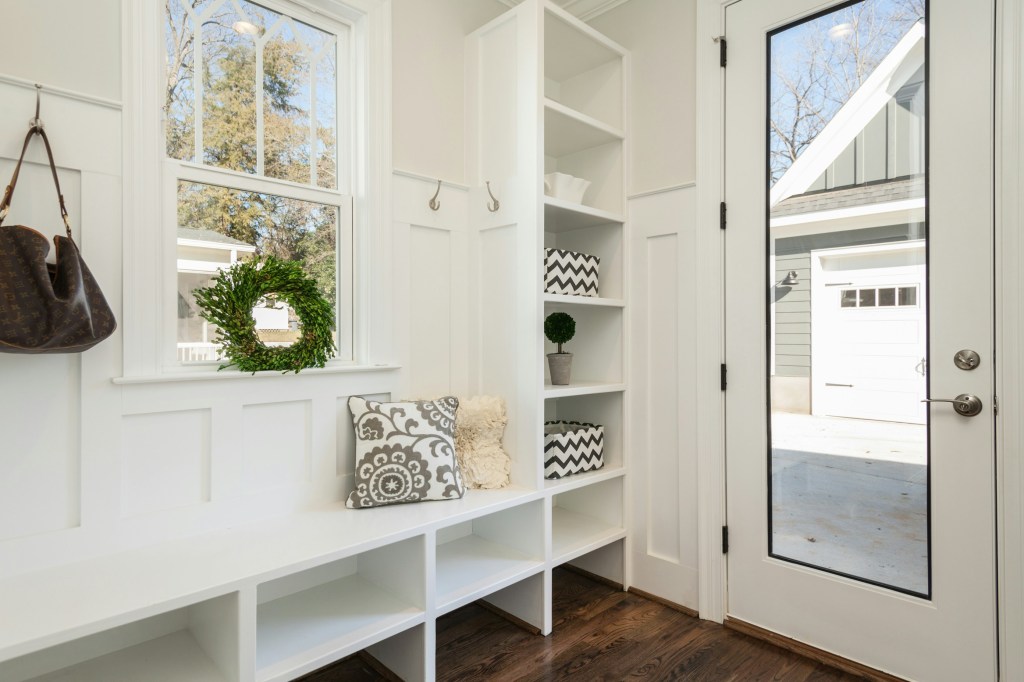
Well-designed spaces rely on balance. Negative space isn’t empty—it’s functional! It allows the room to breathe and creates balance. Thoughtful editing is what transforms a collection of items into a composition. Without it, a space doesn’t feel curated and instead it feels accumulated. And that difference is immediately noticeable.
Low-quality materials and construction
Materials have a quiet honesty about them. Whether something is well-made or not, tends to reveal itself almost immediately, even to someone who isn’t consciously analyzing it. But a practiced designer is quick to distinguish these characteristics. Lightweight furniture, thin veneers, overly reflective finishes and synthetic textures usually lack the sophistication that give a space a more elevated feel. Sure, they can look convincing at a glance or maybe in a photo, but they rarely hold up under closer inspection.
There’s also a tactile element that people underestimate. Designers understand the way a surface absorbs light, the way a fabric drapes, and the weight of a piece. All of these details contribute to how a space is experienced. When materials feel bland or overly manufactured, the space can take on a temporary, almost staged quality. It doesn’t feel settled or lived in, even if it technically functions.
This isn’t about price as much as it is about what I call a “designer’s discernment”. A space doesn’t need to be filled with expensive pieces to feel elevated, but it does need to avoid elements that feel disposable. Thoughtful material choices create cohesion and depth. Poor material choices, on the other hand, tend to flatten a space and make it feel far less intentional.
Poor Scale & Proportion
Scale is one of the most influential aspects of interior design and when it’s off, it affects EVERYTHING. Again, you can fill a room with beautiful pieces, but if they don’t relate properly to each other or to the space itself, the result will always feel unresolved. It’s not always immediately obvious why a room feels “off,” but more often than not, it’s because scale is the underlying issue.
Another massive common mistake that I see all of the time is furniture that doesn’t align with the size of the room. Oversized pieces can make a space feel cramped and heavy, while undersized furniture can leave it feeling sparse and disconnected from the rest of the room. Rugs are another frequent misstep. When they’re too small, they visually detach the furniture from one another instead of grounding the space. A space working in harmony is ultimately what we want. This is what gives birth to good design.
Proportion also extends to spacing. Furniture that is pushed too close together or too far apart can disrupt the natural flow of a room. Good design considers how each piece interacts, not just individually but as part of a whole. (Working harmoniously as a unit! My favorite!) When scale and proportion are handled well, a space feels balanced without effort. And when they’re not, there’s a subtle discomfort that’s difficult to ignore, even if you can’t immediately articulate it.
Dysfunctional Color Palettes
Color has the power to unify a space or completely throw it right off the rails depending on how it’s used. When a palette lacks direction, a room can feel scattered rather than expressive. I always recommend avoiding overly bright tones without balance, clashing undertones, or mixes of hues that don’t harmonize, as these can very quickly overwhelm a space.
A common issue is treating color as an afterthought rather than a foundation. Without a cohesive palette, each element begins to feel isolated, as though it was chosen independently rather than as part of a larger vision. Even if individual pieces are appealing on their own, the overall effect can feel disjointed.
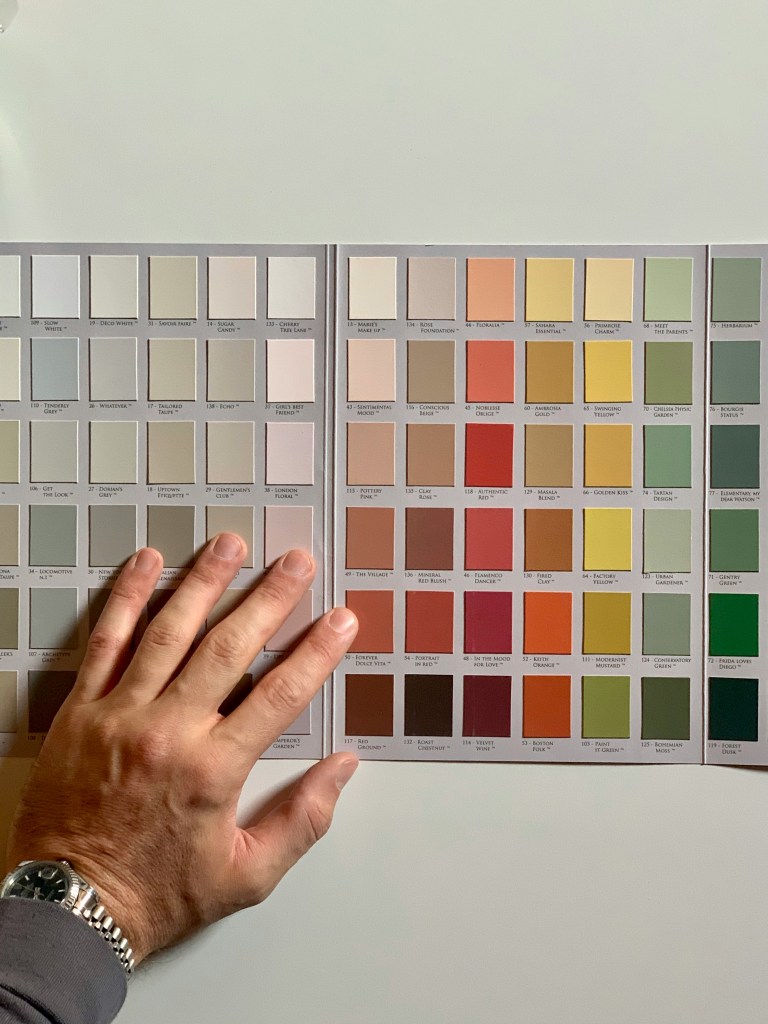
I’m not saying that thoughtful color use is about playing it safe—spaces don’t need to be all beige or greige. It’s about understanding relationships in color: contrast, tone, saturation and undertone all shape how a room reads and how it is experienced when we’re in it. It’s a science and color theory is real and useful. When better considered, color adds the depth we want in our design by creating both continuity and atmosphere.
But when ignored, it can be overstimulating, overwhelming and out of place. The difference isn’t boldness. It’s control.
Generic & mass-produced décor
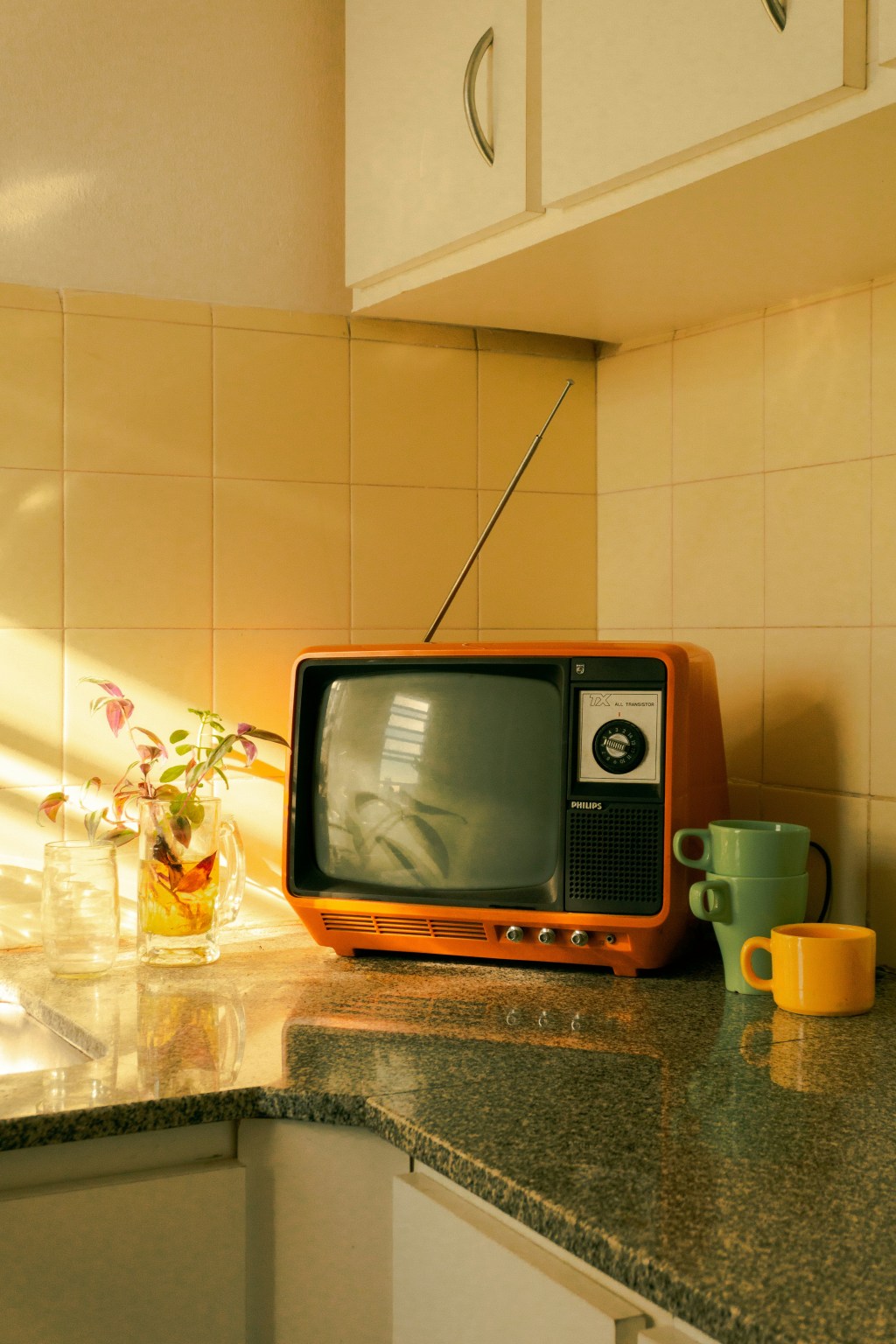
This is, by far, my least favorite element of interior decorating (and yes, I said decorating, not design). Mass-produced décor carries a predictability that can make a space feel impersonal almost instantly. Common prints, overused phrases and widely available decorative pieces create a sense of familiarity that works against a room’s individuality. Instead of reflecting someone’s taste or adding character, the space starts to feel like a themed collection of trends. Its charm and quirkiness slip away, leaving only a layer of tackiness.
This doesn’t mean every item needs to be unique or rare, but there should be a sense of intention behind what’s chosen. When décor is selected simply because it’s accessible or popular, it often lacks the measures that make a space feel layered. The result is a room that feels styled in a generic way rather than thoughtfully composed.
Introducing pieces with character through texture, history, or personal meaning, adds dimension. It creates variation and gives the space something to say beyond what’s currently trending. When everything feels interchangeable, the space loses its identity. And without that sense of identity, even a well-arranged room can fall flat.
Conclusion
Please understand that this isn’t about knocking personal taste. Everyone should feel at home in their space. But there’s a difference between personal preference and solid design execution. Whether you’re a homeowner, a beginner, or a seasoned designer, there are real principles that shape how a space comes together for the better. Interior design isn’t just about filling a room with things. It’s about understanding balance, material, scale and intention. That’s what separates a space that simply looks decorated from one that feels deliberate, cohesive and well-designed.
And once you start to notice these things, you can’t unsee them!




 Rika Rè Interiors | Rè-Style Blog
Leave a comment