One of the best parts of being an interior designer is that I don’t just get to do what I love, I get to help people experience their homes in a way that feels more intentional, functional and enjoyable.
The way I approach design with clients is the same way I approach my own spaces. I start with one simple question: How is this room actually going to be used? How do you spend your time here? Is it for focused work, slow mornings, hosting, resting or something else entirely? Every space has a purpose and when that purpose is clear, the design begins to fall right into place.
We tend to default to the obvious rooms—living rooms, kitchens, bedrooms, bathrooms. And yes, those matter. But what about the spaces that carry your routine? Home offices, workout areas, laundry rooms, craft spaces, playrooms. You know, all of the ones that often get overlooked or treated as purely functional afterthoughts.
I don’t see them that way at all!
I see potential in every corner of a home and not just for life to happen, but for it to feel better while it’s happening. Spaces can be efficient and engaging. Practical and enjoyable. And when those elements come together, your home starts to work with you instead of against you.
These are my methods for creating real spaces for real life. Spaces that support your daily routines, reflect how you actually live, and invite you to slow down to enjoy it.
Overlooked Everyday Spaces
These are the spaces people rely on constantly… and somehow still ignore when it comes to design.
- Laundry rooms
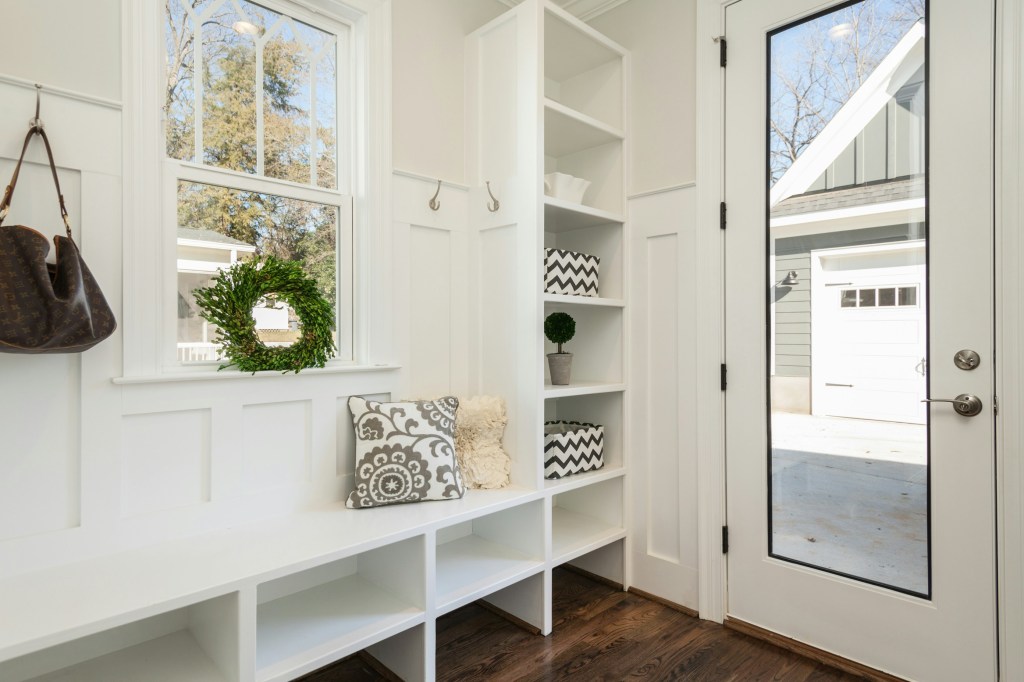
- Mudrooms / entryways
- Hallways & transitional spaces
- Closets & dressing areas
- Pantries
- Utility rooms
These areas tend to be treated as purely functional, but that’s exactly why they deserve better. If you’re using a space daily, it should feel efficient, considered, and at least a little enjoyable to be in. Neglecting these is how a home starts to feel disjointed.
Modern Living Spaces
The way we live has changed—and our homes need to reflect that.
- Home offices / hybrid workspaces
- Content creation spaces
- Home gyms / wellness rooms
- Gaming or media rooms
- Study zones / homework stations
These spaces didn’t used to be essential. Now they are. And when they’re poorly planned, they bleed into other areas of the home and disrupt everything else. Giving them a defined place creates structure—and sanity (which we need).
Nooks & Micro-Spaces
Not every space needs to be a full room. Some of the best design happens in the in-between.
- Reading nooks
- Coffee or beverage stations
- Built-in desk corners
- Drop zones (keys, bags, daily essentials)
- Window seating
- Small vanity or getting-ready areas
These are the quiet upgrades that make daily life smoother. They don’t take much space, but they add a surprising amount of function and personality when done well.
Gathering Spaces
Not all gathering spaces need to be formal or expected.
- Secondary seating areas
- Conversation corners
- Outdoor living spaces
- Kitchen extensions (banquette seating, islands designed for gathering)
- Game tables or activity zones
These spaces encourage interaction without forcing it. They feel natural, comfortable, and lived-in—less “Don’t touch ANYTHING!” more “Stay for a while!”




 Rika Rè Interiors | Rè-Style Blog
Leave a comment