
Does your space makes you feel restless, overwhelmed, or a little bit on edge? Well, it’s not just in your head and thankfully you aren’t the only person who experiences this. There is a very real chance that your space could use a bit of room therapy and an honest assessment to treat the issues that might be causing you distress.
I say this all the time and yet it seems surprising to some when I do, but interior design isn’t just visual. It’s not only about aesthetics or how a room “looks”. It’s psychological. The way a space is arranged, the colors used, the level of visual noise, even the scale of furniture all influence how your brain processes the environment around you. Over time, these elements don’t just affect your mood, they shape it.
Most people assume that anxiety within a space comes from external stress. And sure, sometimes that may be true. I certainly believe that a messy room can be a symptom of a cluttered mind or even a busy-bee with not a moment to spare. But more often than not, the environment itself is contributing to the problem. That’s why it’s so important for designers to honor not only the creative side of design, but the science behind it as well. Because the spaces we live in don’t just surround us, they actively impact how we feel and function every day.
Lack of direction
If your space doesn’t hug you when you come into the room, it’s probably because your space doesn’t have a clear direction. Does it feel cold, resentful and working against you, creating tension? (And not like a romance novel. More like an upset tummy.) It’s something we can feel in our body when our space cannot hold us the way it should.
When elements don’t relate to each other and when styles clash, scale is inconsistent, or there’s no visual hierarchy, it makes it so the room feels unsettled. Your eye moves constantly, searching for structure that isn’t there!
Balance doesn’t mean symmetry or perfection. It means there’s a sense of order. There is something guiding how the space is experienced. Order guides balance like two friends holding hands.
Without that connection, even a well-decorated room can feel a little weird. Not because anything is “wrong” individually, but because nothing is working together as a team.
Personality vs. structure
Alright, so… This is where people tend to push back and it’s also where the most mistakes are made.
There’s a strong cultural push toward self-expression right now. Filling a space with things you love, making it feel personal, surrounding yourself with color, texture and meaning is greatly encouraged. But without structure, that approach can quickly turn into overstimulation. What feels expressive at first can become mentally exhausting in a very real way when you forego the importance of balance and direction.
And I say this often, but it’s worth reiterating: Novelty collections (figurines, plushies, un-framed posters, collectibles) along with mass-produced, trend-driven pieces tend to read as inauthentic and disposable, rather than anything resembling actual interior design. They come across as clutter instead of decoration, at least from a professional’s perspective. (Or as I call it “room litter“.) And these collections deserve their own nook within the home without disrupting a space or creating discord.
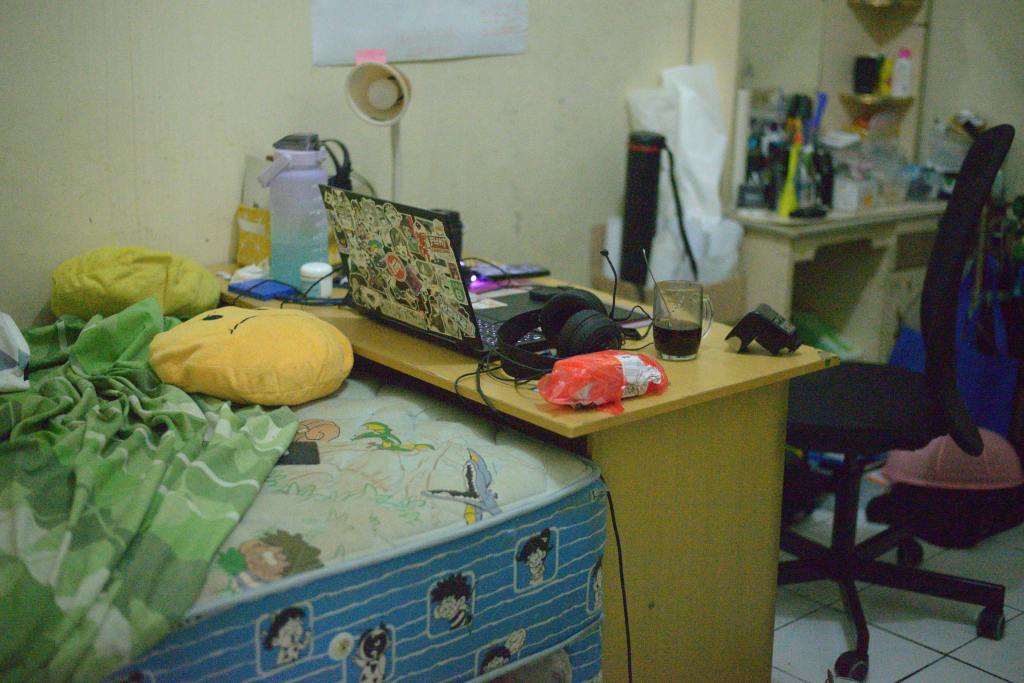
We’ve watched this shift happen in real time. After the pandemic, people naturally gravitated toward comfort in soft, neutral interiors filled with beiges, warm whites and muted tones that offered a sense of calm and control. And then came the knee-jerk reaction, which was directly opposing: Bold color, layered patterns and ultra-maximalist spaces. The rise of “core” aesthetics became an emotional pushback against restraint. More personality, more energy more visual interest.
“Dopamine-driven” trends end up having the opposite effect over time. What was meant to feel joyful, expressive and even healing to the inner child, can quickly become overstimulating, overwhelming and suffocating. It’s no longer about expression, it’s about excess. Excess isn’t design and it isn’t decorating. It’s clutter.
Here’s a part no one really talks about… When you improvise without any real plan or intention for a room, those spaces can start to feel very uncomfortable. It becomes harder to relax in that space. Not because color or personality is wrong, but because the brain still needs structure. It needs hierarchy, balance, and moments of rest.
Clutter, poor layout, inconsistent color use and lack of cohesion all increase cognitive load and it’s forcing your brain to work harder just to exist in the space.
Conclusion
Again, this is exactly why interior design isn’t just about how aesthetic a room can be. Interior design is a technical discipline. There are real, established principles that ensure that a space is both beautiful and functions well for everyday living, whether or not you find that information digestible. When those principles are ignored, the result isn’t just a room that feels wrong, it’s a space that actively works against you rather than in your favor.



 Rika Rè Interiors | Rè-Style Blog
Leave a comment