
I know, I know. I’m usually the last person who would suggest not hiring an interior designer to help create the space of your dreams—after all, that’s kind of what we do best, right? We take what isn’t working and turn it into something that looks great and feels good to live in.
But hey, sometimes the issue runs deeper than simple styling. And in those cases, bringing in a designer won’t magically solve the problem. Not everything can be fixed with layout tweaks, new furniture, or a fresh palette. Some spaces require a different kind of intervention entirely. (And occasionally… an exorcist, if we’re being honest.)
So, when is it actually the wrong time to hire a designer?
The Structure Is the Problem
I hate to be the bearer of bad news but, if your space has bad bones, awkward layouts, low ceilings, strange room divisions, or a lack of natural light—no amount of styling is going to fix that.
You can decorate around bad architecture, but you can’t disguise it completely. At some point, you’re not dealing with a design issue—you’re dealing with a structural one. That means renovation, reconfiguration, or accepting the limitations of the space.
A designer can work with a structure. We can’t rewrite it entirely without construction.
The Space Doesn’t Function for Your Life
Ask yourself this: Does your home allow you to function like a normal human being on a daily basis? If your home actively works against your daily routine, that’s not a styling issue. It’s a functional failure.
- No storage where you need it
- Traffic flow that makes no sense
- Rooms being used for things they clearly weren’t intended for
- Constant frustration just existing in the space
At that point, you don’t need a new decorating scheme. You need to rethink how the space is being used altogether. Sometimes that means reassigning rooms, sometimes it means renovation and sometimes… it means the home just isn’t right for you.
Uncomfortable truth, but we’re being honest here.
And yes, hiring an interior designer can absolutely help you understand what needs to be done in a space that feels like a complete nightmare. That’s part of the job. We’re problem-solvers who also happen to make things look good and function better.
But listen—most designers are not miracle workers when the house itself doesn’t fit you. (However, the good ones—myself included, can get close.) Still, more often than not, we’re operating more like therapists than surgeons. We can guide, refine and offer practical solutions, but some issues run so much deeper than styling can reach.
There are certain monsters in a space that won’t be chased out with good taste and a power drill. At that point, you’re looking at real change and big renovations. Knocking down walls, reworking the structure… or admitting it might be time for a different house.

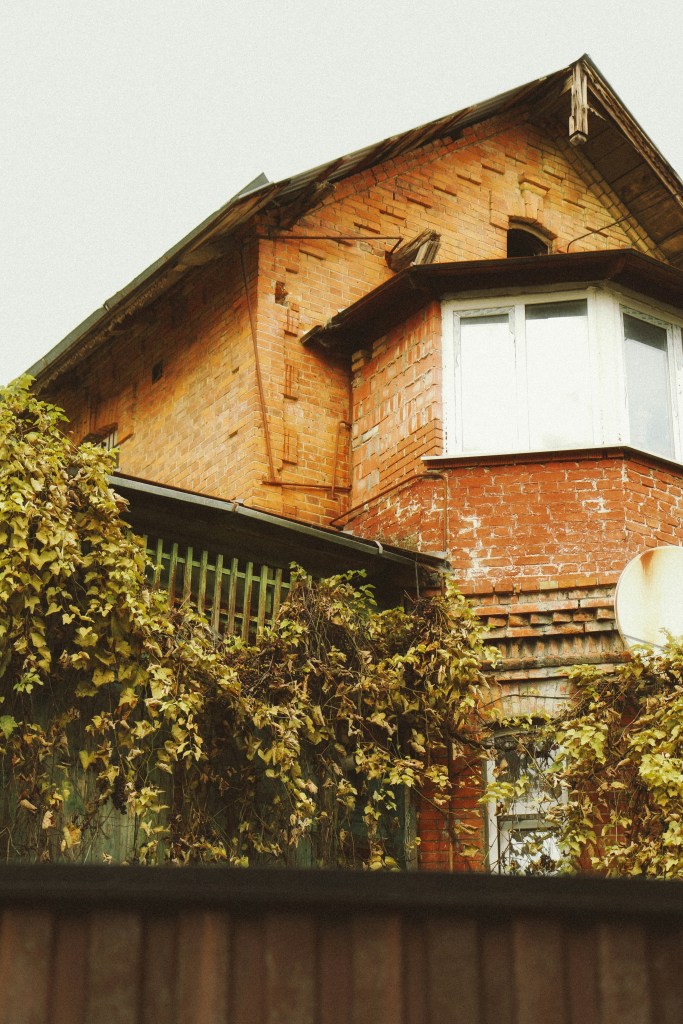
There Are Underlying Maintenance Issues
I’ve heard some truly horrifying stories from new homeowners who thought they’d just stepped into their dream home. Whether it’s a brand-new build (You already know my stance… ugh) or a charming Dutch Tudor from the 1950s, homes will reveal their issues—especially when maintenance has been neglected. And let’s be honest, builder-grade shortcuts don’t age well. There are so many underlying problems in some of these homes that it’s less “move-in ready” and more “inspector’s cautionary tale.”
Which brings me to this: if there are real, physical issues in your home, design should not be your priority.
So, please do not call me to “style” around:
- Water damage
- Mold
- Outdated or unsafe electrical
- Structural or flooring deterioration
- Poor insulation or ventilation
You cannot decorate over problems like this and expect the space to feel good. It won’t. Your environment will always feel off—because it is off. In fact, it’s downright unsafe.
Fix the foundation before you style the surface
Any designer worth their salt will refuse to dress up a space that’s actively falling apart. Slapping paint, drapery, and décor over real issues isn’t design—it’s avoidance. And frankly, it’s completely irresponsible.
You Don’t Actually Know What You Want (and Won’t Decide)
A good designer is skilled at reading between the lines. We have a good understanding for a client’s needs and preferences even when they’re difficult to articulate. We have our ways of helping you discover your taste when you’re not quite sure yet. That part? We really enjoy. But listen, if you’re going to treat the process like a fickle relationship with unresolved commitment issues, it’s going to be a rough experience for everyone involved. Design requires communication, clarity and a willingness to decide.
Design is decision-making. A lot of it.
If you’re:
- Constantly changing your mind
- Chasing every trend you see online
- Unable to commit to a direction
- Expecting the designer to “just make it work” without your input
…then hiring a designer quickly turns into an expensive loop of back-and-forth.
And don’t get me wrong! I want to help you. Nothing would make me happier than to see a big ol’ smile on your face in the reveal. Designers love solving problems. It’s part puzzle, part instinct and we’re very good at it. But there’s a difference between collaboration and chaos. When there’s no consistency or follow-through, it doesn’t just drain the process… it drains your budget too.
A good designer can guide you. But we cannot design inside a vacuum of indecision.
So, please… Come with ideas, come with openness, but most importantly… come without cold feet.
Your Budget Doesn’t Match Your Expectations
Oh, boy… This one is gonna hurt feelings.
I don’t love being the bearer of bad news, but if you want the job done right, it’s going to cost you. Hiring an interior designer isn’t just a commitment to your home, it’s a commitment to your finances. And if those aren’t in order, it’s simply not the right time.
Now, I’m not here to encourage anyone to go into debt for the sake of a pretty room. Absolutely not. But let’s be realistic… A full transformation isn’t cheap. There’s no clever workaround for that. Materials, labor, quality pieces… it all adds up. Quickly.
So yes, if you’re expecting a dramatic, high-end result on a shoestring budget, there’s going to be a disconnect. And more often than not, that leads to disappointment.
A designer can help you spend wisely, but we cannot make something substantial out of nothing.
If the investment isn’t there, the outcome won’t be either.
If you want:
- Custom-level results
- High-end materials
- A fully transformed space
…but the budget says:
“Let’s try to do this for a few hundred dollars”
There’s that disconnect I was talking about.
Again, designers can stretch a budget, but we cannot defy reality. If expectations and investment aren’t aligned, the result will always feel disappointing, and it won’t matter how skilled the designer is.
You’re Looking for a Quick Fix to a Deeper Problem
This is a tougher one to talk about, but it comes up more often than people think. Many homeowners and renters find themselves growing restless in their spaces. Sometimes it’s seasonally and sometimes constantly. And while it’s easy to frame that as a design issue, it often isn’t.
As much as I hate to say it, a lot of people are trying to creatively cope through a . Life is stressful. The world is loud. Everyone is dealing with something, and it’s completely understandable to want your environment to feel better, to feel like a reset, or even an escape.
But more and more designers are encountering this specific pattern where the expectation that a new space, new furniture, or a redesign will “fix” how someone feels internally.
And absolutely, while design influences mood, it cannot carry the full weight of what you’re going through.
…It is not a cure-all.
If the expectation is:
“Once my home looks perfect, everything else will fall into place”
That’s a lot to put on a sofa and a paint color, friend.
Design enhances your life—it doesn’t replace the work happening outside of it.
Conclusion
Slow down and take a few honest laps around your home before calling in a designer. Pay attention to what’s happening beneath the surface—the layout, the light, the flow, the innerworkings of the space. If something feels off, there’s usually a reason and it’s worth identifying that early.
If you’re unsure, bring in a home inspector and get a clear assessment. Address those findings first, then come back to design with a solid foundation to work from. That’s what responsible homeowners do. Handle what’s necessary before investing in what’s aesthetic.
And if you’re not quite sure what you like stylistically, start by exposing yourself to a range of interiors. Look through different forms of media, gather references, and at the very least, figure out your hard “no’s.” That alone will narrow things down faster. From there, try identifying two or three styles you consistently gravitate toward. You don’t need a perfectly defined aesthetic. You just need a direction.
Most people turn to Pinterest and Instagram for inspiration, which is perfectly fine. Just keep in mind that much of what you’re seeing is editorial design. These are spaces styled for photos, not for everyday living. They’re beautiful, yes, but not always practical. Use them as a reference point, not a blueprint.
The goal is to develop a baseline understanding of what you’re drawn to so you can communicate more clearly with your designer. Familiarize yourself with the language of design, even loosely. This makes the entire process smoother, faster and far more effective.
Try not to get too attached to trends. The internet moves quickly, as do trends, and what feels exciting now can feel dated just as fast. Timeless doesn’t mean boring! It means tailored and sophisticated. And tacky? That’s just poor decision-making with an expiration date. (We don’t know her.)
And when it’s time to put the finishing touches on a space that actually supports you and feels good to come home to… that’s where I come in!




 Rika Rè Interiors | Rè-Style Blog
Leave a comment